
Measure Details
Percentage of patients 18-75 years of age with diabetes and an active diagnosis of retinopathy in any part of the measurement period who had a retinal or dilated eye exam by an eye care professional during the measurement period or diabetics with no diagnosis of retinopathy in any part of the measurement period who had a retinal or dilated eye exam by an eye care professional during the measurement period or in the 12 months prior to the measurement periodMeasure Parameters
Numerator
Patients with an eye screening for diabetic retinal disease. This includes diabetics who had one of the following:- Diabetic with a diagnosis of retinopathy that overlaps the measurement period and a retinal or dilated eye exam by an eye care professional in the measurement period
- Diabetic with no diagnosis of retinopathy overlapping the measurement period and a retinal or dilated eye exam by an eye care professional in the measurement period or the year prior to the measurement period
Exclusions/Exceptions
- Exclude patients who are in hospice care for any part of the measurement period.
- Exclude patients receiving palliative care for any part of the measurement period.
- Exclude patients 66 and older by the end of the measurement period who are living a nursing home any time on or before the end of the measurement period.
- Exclude patients who have bilateral absence of eyes any time during the patient’s history through the end of the measurement period.
- Exclude patients 66 and older by the end of the measurement period with an indication of frailty for any part of the measurement period who also meet any of the following advanced illness criteria:
- Advanced illness diagnosis during the measurement period or the year prior
- OR taking dementia medications during the measurement period or the year prior
Elation Workflows
Elation has implemented dedicated workflows that reflect standardized requirements we do not control for certification to ensure structured and reportable tracking of measure specifications for supported electronic Clinical Quality Measures. To optimize performance per the specifications, please adhere precisely to the workflows outlined in the referenced Help Center article.
Documenting diabetes diagnosis in the patient’s chart
Patients must have an active diagnosis of diabetes recorded in their chart during the measurement period. Elation looks for a diabetes ICD-10 code in either a visit note for the measurement period or in the Problem List. To add a diabetes diagnosis to the Problem List:
Documenting measure requirements using a Clinical Reminder in a visit note
Clicking Dismiss will dismiss the reminder and the reminder will not appear again until a new visit note draft is opened.
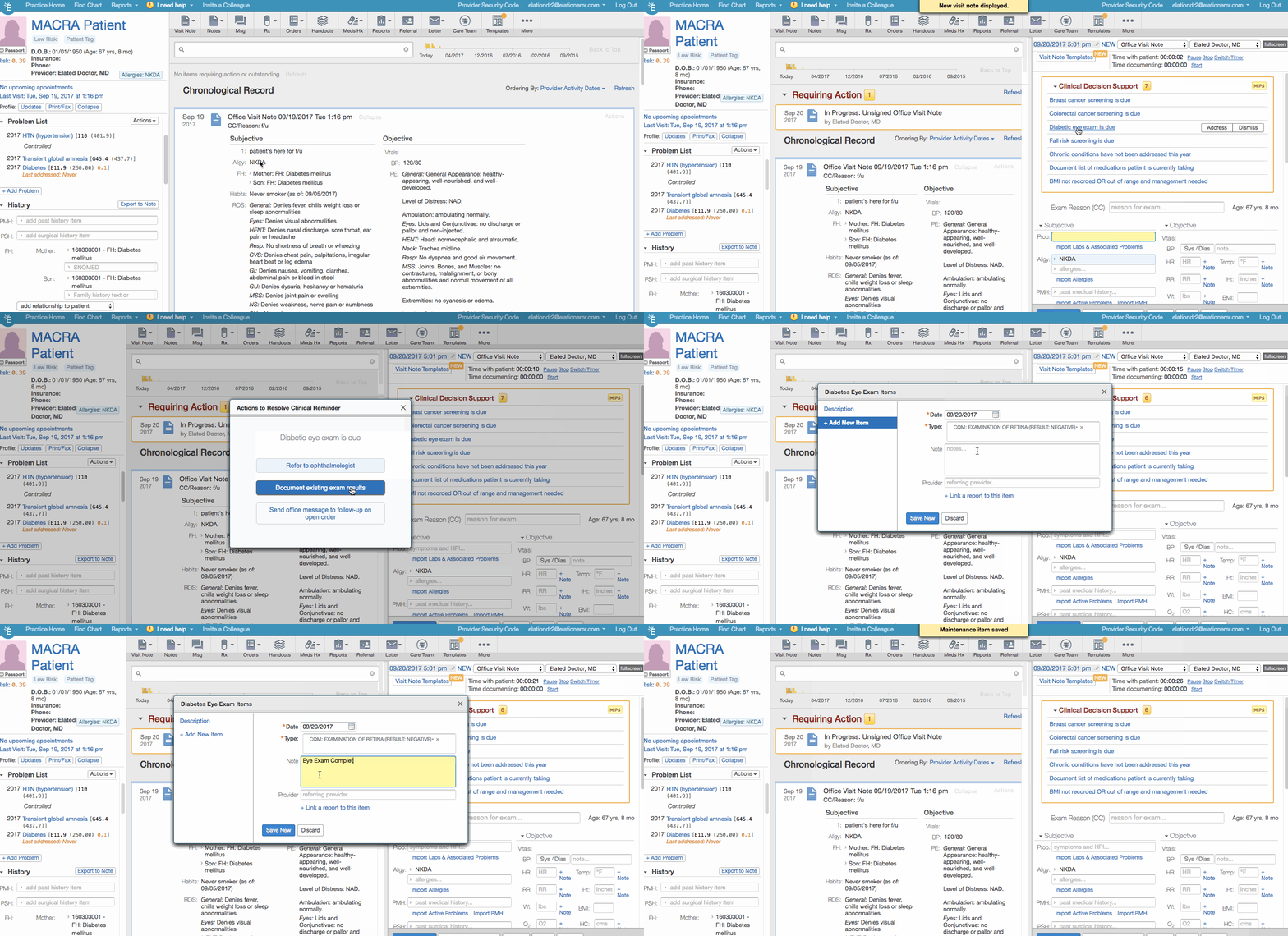
Documenting measure requirements using the Health Maintenance section

Documenting measure requirements from an eye exam report
Click here for more details about Document Tags.
Documenting exclusions/exceptions
Documenting frailty
To document frailty in Elation using
- Frailty diagnosis, advanced illness codes and/or medications
- Add a frailty diagnosis to the Problem List. You must select from one of the frailty codes listed here.
- Record one of the following:
- an advanced illness diagnosis in 2 outpatient encounters using one of the codes listed here.
- an advanced illness in 1 inpatient counter using one of the codes listed here.
- a dementia medication in the patient’s chart.
- A frailty device code
- Click + Tag at the bottom of the visit note draft.
- Create/add the appropriate document tag for the relevant frailty device from this list of frailty device codes.
- If you are creating the document tag for the first time for a frailty device, make sure the document tag has the device’s HCPCS code listed.